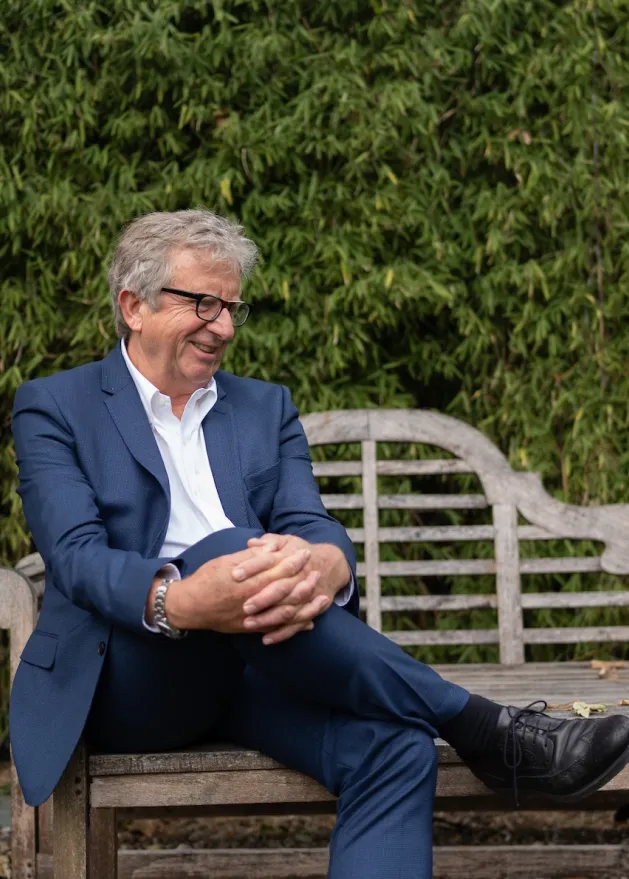
The academic
I am Paul Garner, a medical doctor trained at University College London.
After a stint in hospitals around the UK, I went to Papua New Guinea as the medical officer in charge of Raihu Hospital in West Sepik, and then as a clinical epidemiologist at the PNG Institute of Medical Research.
After six years in PNG, I moved to London, where I worked in urban health at the London School of Hygiene and Tropical Medicine with Professor Trudy Harpham in the Health Policy Unit. Later to the Liverpool School of Tropical Medicine as head of the International Health Group, and helped establish the Cochrane Collaboration.
I ran the Cochrane Infectious Diseases Group (CIDG) for 25 years, and a large programme of research across 10 countries.
The CIDG published some pivotal reviews, including one on impregnated mosquito nets for malaria, that helped underpin the current global distribution of 2 billion nets worldwide since 2004. I worked closely with the World Health Organization and managed the production of Cochrane reviews that impacted policy in malaria and other infectious diseases.
The patient
“Fit as a butcher’s dog: no pesky virus was going to floor me.”
This was my state of mind as the pandemic hit. Then I collapsed with vicious, intermittent symptoms and severe fatigue. I could not read. My personal narrative was the first account of the post-COVID-19 condition worldwide in a medical journal, with symptoms indistinguishable from ME/CFS.
After 10 months, I was given hope, explanations, and tools for recovery. I found the science and evidence around persistent physical symptoms. I was amazed at how much science already exists around these conditions, but how the dogma of biomedicine ignores or dismisses this knowledge.
Where I’m at now
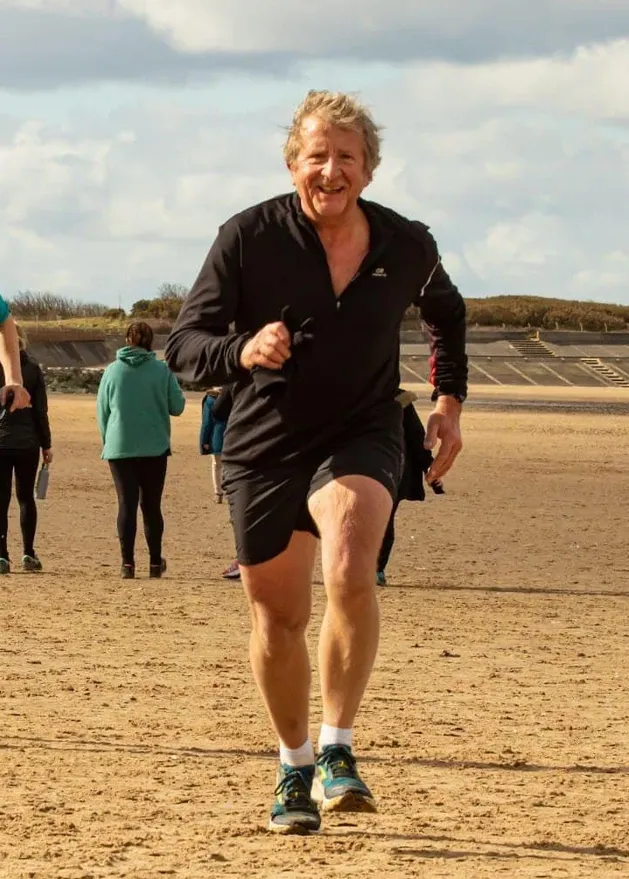
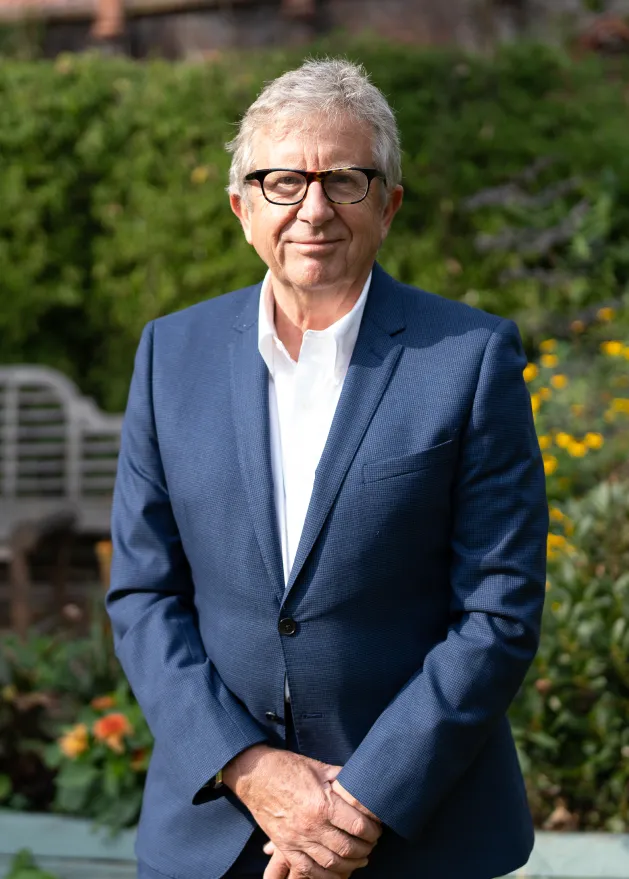
Recovered patient and academic
This experience taught me that there is a whole range of conditions related to a general biological response that becomes disturbed; that my profession-medicine-was generally hopeless and understanding this; and there was a small but very vocal militant groups that pushed a purely biomedical interpretation of these conditions to the detriment of society and patients with these conditions.
I also realised there is a growing movement to push back on this misinformation to help patients understand what is wrong and how to get better. I decided to join them.