In the beautiful tropics of Papua New Guinea, I learnt first-hand the power of biomedicine: the clammy fog of malaria lifting with chloroquine; the queasy stomach from giardiasis receding with antiprotozoal drugs; the scabies itch vanishing instantly with lotion.
As an academic commissioning Cochrane reviews, I learned to prioritise policy-relevant questions. We don’t need trials to show parachutes prevent death. For tropical infections, we know these drugs work: what we need is trials to fine-tune treatments and compare therapeutic options.
Fast forward to March 2020.
I became a patient again, now with COVID-19. I was floored with horrendous fatigue, shifting body pains, headaches, twitching muscles and deafness. Any exertion or high levels of stress or work would leave me floored with post-exertional malaise.
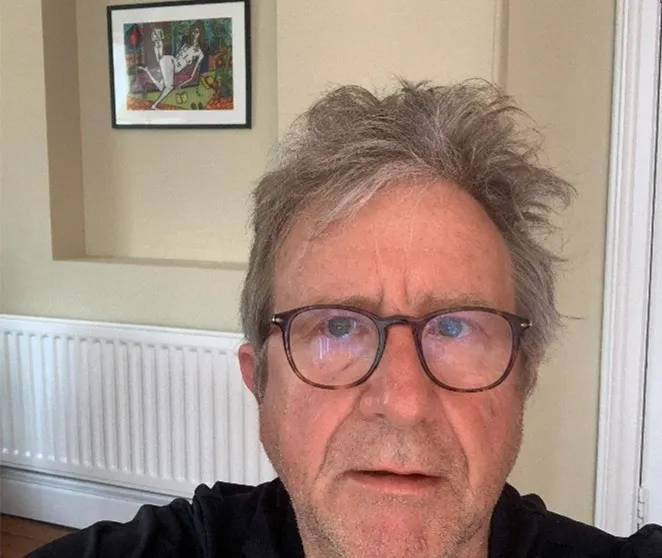
For nine months I believed this novel virus had damaged my muscles and thrown spanners into mitochondrial energy systems. ME/CFS campaigners told other Long Covid sufferers and me to expect this to remain for the rest of our lives. I thought the post-COVID-19 condition (PCC) was with me for life.
Then I met a PhD student in psychology who had recovered from ME/CFS. She delivered a confident new message: I would recover.
I needed to be open to a broader understanding of the condition. I learnt that the brain’s alarm systems, designed to protect me, had gone awry. I was given cognitive tools, stopped being fearful and started exercising. Within hours, I felt better, and within days the heavy, disabling fatigue had evaporated. The experience was mind-blowing. Real, disabling symptoms gone as if controlled by a switch- a therapeutic bullet was as powerful as any drug for my infections. Others’ recovery narratives are slower, and I had a few setbacks-which I learnt from- but am now recovered.
Vocal groups dismissed me and my recovery, and I was ostracised from patient fora.
Patients recovered from ME/CFS wrote describing similar responses: I saw a post calling a recovered patient a “traitor”. Yet listening to recovery stories can only help. I wrote: “listen to communities of people who have recovered from illness”, and today these narratives are more visible.
- Bakken et al. report on patients with severe ME/CFS who recovered. Patients report a distinct turning point-when they changed from being helpless victims to actively pursuing their own healing;
- Linnros et al. report on people who recovered from PCC as stepwise, with a marked turning point when they found hope and new understanding of their fatigue condition;
- Cefai reports on 75 interviews with people with chronic fatigue conditions who recovered using “mind-body approaches”. This is from research from Raelan Agle’s YouTube Channel with over 300 recovery stories and 70,000 subscribers.
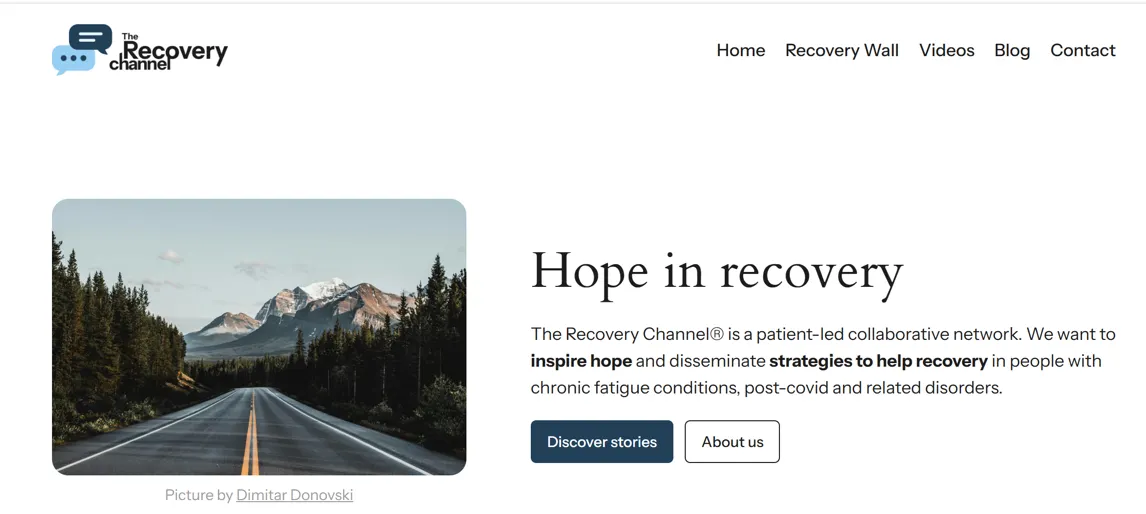
Recently, a group of us launched the Recovery Wall, with an estimated 1000 recovery narratives on other sites across the internet from “mind-body” conditions, including ME/CFS, PCC, fibromyalgia, migraines and other disorders.
So it is blindingly obvious, from an evidence-based standpoint, that mind-body approaches are instrumental in some people’s recovery from PCC and ME/CFS. A 2024 systematic review in PCC identifies cognitive and behavioural approaches as promising, and recent well-conducted trials have shown this in long COVID and medically unexplained symptoms.
What we do need is research to optimise benefit for as many people as possible, determine the best timing for their introduction, and explore negative psychological effects when they don’t work.
Yet we seem stuck in the mud, with public narratives of denial, anger, and moral outrage that anyone could believe these interventions help. Somehow, simply suggesting they work is “gaslighting” patients, and the doctors are quacks peddling snake oil. Researchers in the field describe vexatious attacks on their work. The outrage is not just patient groups and charities: it is mainstream medicine, with doctors decrying in newspapers that long COVID is a “real disease-not some imaginary phenomenon due to a lack of moral fibre or anxiety”.
We need to set aside the medieval dogma that mind and body are separate.
We know infection triggers an evolved biological response involving multiple systems and the result of biological allostatic mechanisms, including biopsychosocial factors. Explanatory models illustrate feedback loops that sustain symptoms and affect tissues. Some of these changes are likely a consequence of this response rather than the direct cause of the symptoms. Predictive coding and classical conditioning feed into these complex biological systems. There is much to learn, much to discuss, and much we can do to move us forward.
I fully understand how frightening it is to be disabled by fatigue. Yet the anger and invective are off the scale, and distort policies, misdirect research, frighten doctors, and help no one. We as doctors have a duty not to swerve from the vitriol but to work with it. We need to engage the public with this new understanding and draw in a broader range of patient experiences. Being open to the possibility that mind-body medicine can help people is often the first step toward recovery.
Competing interests
Paul is on the Steering Group of the Oslo Chronic Fatigue Network, which includes 146 medical doctors, clinical psychologists, and researchers committed to a biopsychosocial understanding of chronic fatigue and related persistent physical symptoms.
Paul is joint Director of the Recovery Channel, a Community Interest Company committed to inspiring hope and disseminating strategies to help people with chronic fatigue conditions. These positions are voluntary.
These views are entirely my own based on scientific knowledge and lived experience. The article is not intended to provide specific medical advice for patients.